
Contents
- 📋 Prerequisites & What You Need
- 🔧 Step 1: Choose Your Shelf and Hardware
- ⚙️ Step 2: Locate Wall Studs and Mark Placement
- 🎯 Step 3: Drill Pilot Holes and Install Brackets
- ✅ Step 4: Attach the Shelf to the Brackets
- 🚀 Step 5: Test Stability and Load
- ⚠️ Common Mistakes & How to Avoid Them
- 💰 Cost & Time Breakdown
- 📊 Expected Results & Metrics
- 💡 Pro Tips & Advanced Techniques
- Frequently Asked Questions
- References
- Related Topics
Overview
This guide provides a step-by-step process for securely hanging a shelf, transforming any wall into functional storage or display space. It's designed for DIY enthusiasts, homeowners, and anyone looking to add practical elements to their living or working areas. By following these instructions, you'll learn to select the right hardware, accurately measure and mark, properly drill, and securely attach your shelf, ensuring it can safely hold your items. This method emphasizes precision and stability, leading to a professional-looking finish that enhances organization and aesthetics. Expect to complete a basic shelf installation in under two hours, with results that can support items ranging from books to decorative objects.
📋 Prerequisites & What You Need
Before you begin, gather your tools and materials. You'll need the shelf itself, appropriate shelf brackets, a stud finder, a pencil, a tape measure, a level, a power drill with appropriate drill bits, wall anchors if not drilling into studs, and screws compatible with your brackets and wall type. Safety glasses are also recommended. Ensure your chosen shelf material is suitable for the intended load and environment; for instance, solid wood shelves offer greater durability than particleboard for heavy items.
🔧 Step 1: Choose Your Shelf and Hardware
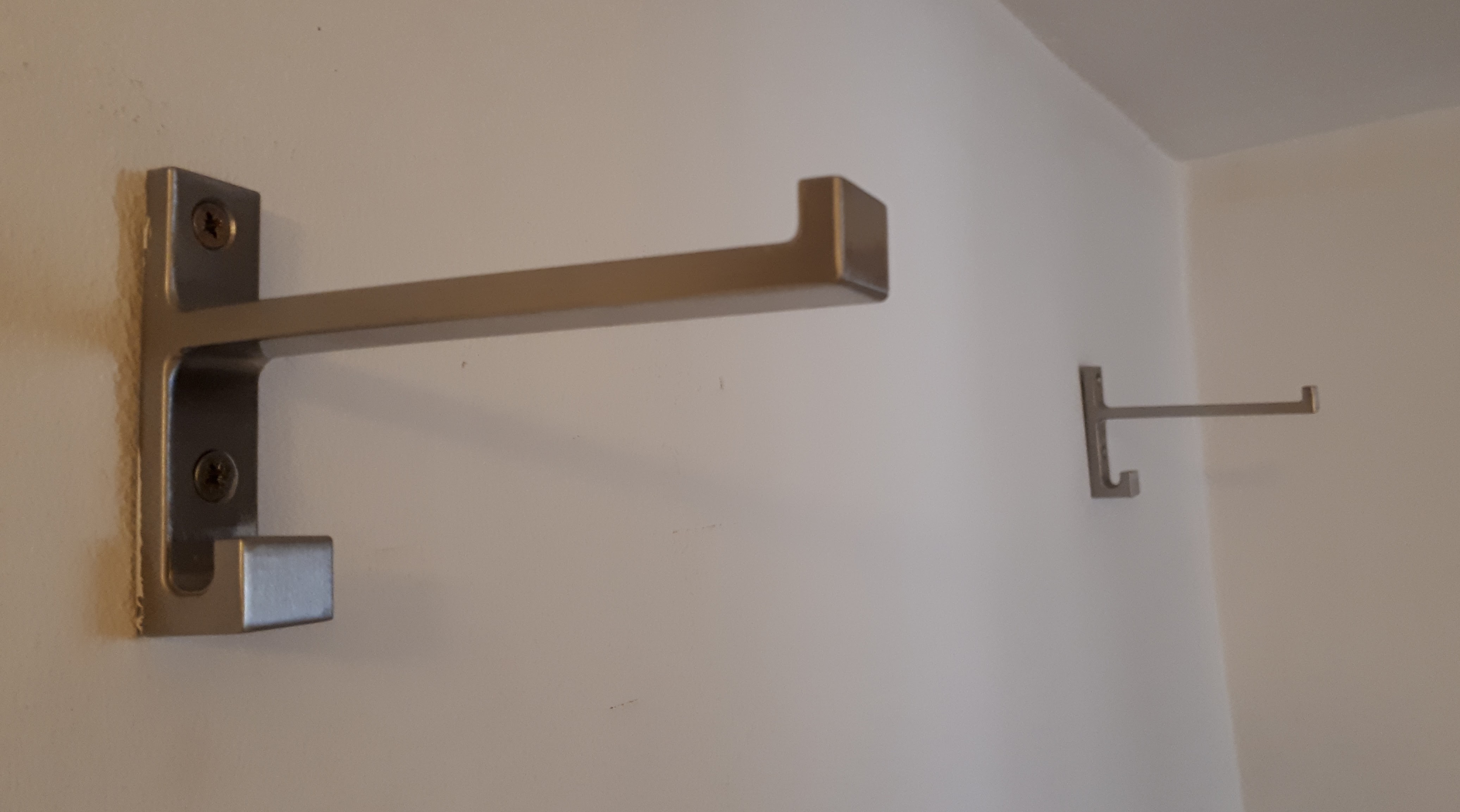
Select the shelf and the corresponding shelf brackets that will support it. Consider the shelf's material, dimensions, and the maximum weight it needs to hold. Brackets come in various styles, from simple L-brackets to decorative floating shelf hardware. For standard wall mounting, L-brackets are a common and reliable choice. If you're using a floating shelf, you'll need specialized hardware that often involves a hidden mounting plate or rods inserted into the shelf itself.
⚙️ Step 2: Locate Wall Studs and Mark Placement
Determine the exact placement of your shelf. Use a stud finder to locate wall studs, which provide the most secure mounting points. Mark the stud locations with a pencil. If studs aren't available where you want the shelf, you'll need to use heavy-duty wall anchors designed for your wall type (e.g., drywall, plaster). Use a tape measure and level to draw a perfectly horizontal line on the wall indicating the shelf's top or bottom edge. Mark the precise spots where your brackets will attach, ensuring they align with studs or anchor locations and are spaced appropriately for your shelf's length (typically no more than 24 inches apart for standard shelves).
🎯 Step 3: Drill Pilot Holes and Install Brackets
Using your power drill, create pilot holes at the marked bracket locations. The pilot hole should be slightly smaller than the diameter of your screws. If using wall anchors, follow the anchor manufacturer's instructions for drilling the correct hole size and inserting the anchor. Align your shelf brackets with the pilot holes or anchors and secure them firmly to the wall using the appropriate screws. Ensure each bracket is level and flush against the wall. For heavier loads, consider using longer screws that can penetrate deeper into the wall structure or studs.
✅ Step 4: Attach the Shelf to the Brackets
Carefully position the shelf onto the installed brackets. Most shelves will have pre-drilled holes on the underside that align with the bracket holes. If not, you may need to drill pilot holes through the shelf into the brackets. Secure the shelf to the brackets using the provided screws, typically driven up from the underside of the bracket into the shelf. Ensure the shelf is centered and flush with the wall. For a cleaner look, some shelving systems use concealed brackets or specialized mounting hardware that attaches directly to the wall, with the shelf sliding or fitting over them.
🚀 Step 5: Test Stability and Load
Once the shelf is attached, gently test its stability. Apply light pressure to the shelf to ensure it doesn't wobble or shift. Then, gradually place items onto the shelf, starting with lighter objects and working up to your intended load. Monitor the shelf and brackets for any signs of strain, bending, or loosening. Do not exceed the weight limit specified by the bracket manufacturer. A properly installed shelf should feel solid and secure, capable of holding its intended contents without issue.
⚠️ Common Mistakes & How to Avoid Them
Shelf Sagging: Attaching shelves too far apart or using brackets not rated for the load can cause shelves to sag over time. Always adhere to recommended bracket spacing (typically 16-24 inches) and weight capacities. Striking Electrical or Plumbing: Using a stud finder is crucial, but always be aware of potential hazards behind walls. If unsure, consult a professional or use a multi-scanner that detects live wires and pipes. Uneven Installation: Failing to use a level during marking and installation results in a crooked shelf. Double-check all measurements and alignment before drilling. Using Incorrect Anchors: Always use anchors rated for the weight and appropriate for your wall material (e.g., toggle bolts for hollow walls, sleeve anchors for masonry).
💰 Cost & Time Breakdown
Cost: Shelves can range from $10 for basic pine boards to $100+ for premium materials or floating shelf systems. Shelf brackets typically cost $5-$30 per pair. Wall anchors and screws add another $5-$15. Time: A basic shelf installation can take 1-2 hours, depending on experience and wall conditions. Locating studs, precise marking, and drilling are the most time-consuming parts. More complex systems like floating shelves might take longer.
📊 Expected Results & Metrics
Expected Results: A securely mounted shelf that is level, stable, and capable of holding the intended items. The aesthetic integration into your room's decor. Metrics: Shelf stability (no wobble), levelness (within 1/8 inch deviation over 4 feet), weight capacity (holding intended load without visible strain). A successful installation should feel as if it's part of the wall structure.
💡 Pro Tips & Advanced Techniques
Concealed Brackets: For a minimalist look, consider floating shelf brackets that are hidden within the shelf itself. These often require precise drilling into the shelf's back edge. Reinforcing Shelves: For very heavy loads, consider adding a reinforcing cleat along the back edge of the shelf or using stronger, specialized brackets. Decorative Brackets: Don't underestimate the impact of decorative shelf brackets—they can become a significant design element in your room, complementing your decor. Using a Template: For multiple shelves or consistent spacing, create a paper template of your bracket placement to ensure accuracy and speed.
Key Facts
- Year
- Ongoing
- Origin
- Home improvement, DIY
- Category
- guides
- Type
- concept
- Format
- how-to
Frequently Asked Questions
How do I know if I'm drilling into a stud?
A stud finder is the most reliable tool; it uses electronic sensors to detect changes in wall density, indicating a stud. Alternatively, you can tap the wall; a solid, resonant sound usually means you've hit a stud, while a hollow so