
Contents
Overview
Shelf brackets are essential hardware components designed to support shelves, enabling vertical storage solutions in homes, offices, and commercial spaces. They come in a vast array of styles, materials, and weight capacities, catering to diverse aesthetic preferences and functional requirements. From simple L-shaped brackets to ornate decorative designs and heavy-duty industrial supports, their primary function is to securely fasten a shelf to a wall or other vertical surface, distributing the load effectively. The choice of bracket significantly impacts the stability, appearance, and weight-bearing capability of the shelving unit. Understanding the different types, materials, and installation methods is crucial for creating safe, functional, and visually appealing storage. They are fundamental to organizing spaces, decluttering, and displaying items, making them a ubiquitous and indispensable element in interior design and practical living. Their evolution reflects advancements in material science and manufacturing, offering solutions for increasingly complex storage needs.
Types of Shelf Brackets 📐
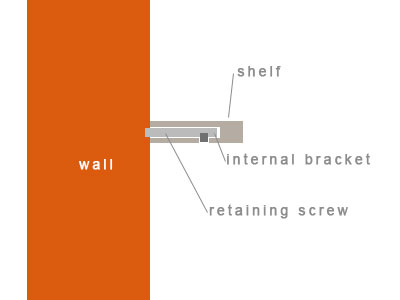
Shelf brackets are broadly categorized by their design and function. The most common type is the L-bracket, characterized by its right-angle shape, offering straightforward support. Floating shelf brackets, on the other hand, are designed to be hidden, creating the illusion of a shelf appearing to float unsupported. Corbel brackets are often more decorative, featuring ornate carvings or designs, and can provide substantial support. Cantilever brackets are another type, where the support is embedded within the shelf itself, offering a minimalist look. Each type serves a specific purpose, from maximizing load-bearing capacity to achieving a particular aesthetic.
Materials and Finishes ✨
The materials used for shelf brackets greatly influence their durability, appearance, and cost. Metal, such as steel, iron, and aluminum, is prevalent due to its strength and longevity, often finished with powder coating, chrome plating, or brushed nickel for corrosion resistance and style. Wood brackets, while less common for heavy loads, can add warmth and a rustic charm, especially in traditional or farmhouse decor. Plastic brackets are typically used for lighter-duty applications and are often the most budget-friendly option. The chosen finish can either blend seamlessly with the wall or serve as a decorative accent.
Weight Capacity and Load Bearing ⚖️
Understanding the weight capacity of a shelf bracket is paramount for safety and preventing structural failure. Manufacturers typically provide a maximum load rating, which can vary significantly based on the bracket's size, material, and construction. It's crucial to consider not only the weight of the items to be stored but also the type of wall material and the quality of the mounting hardware. Overloading a bracket can lead to sagging shelves, damage to the wall, or even complete collapse, posing a safety hazard. Always err on the side of caution and choose brackets with a capacity well above your expected load.
Installation and Mounting 🛠️
Proper installation is critical for the performance and safety of any shelving system. Most brackets are mounted to wall studs for maximum support, but drywall anchors can be used for lighter loads. The process typically involves marking the desired shelf height, locating studs (if applicable), pre-drilling holes, and securely fastening the brackets with appropriate screws. For floating shelf brackets, the installation is more involved, often requiring precise alignment and secure mounting into the wall structure. Following manufacturer instructions and using the correct tools are essential for a successful installation.
Decorative vs. Functional Brackets 🖼️
A key distinction exists between purely functional shelf brackets and those that are also decorative elements. Functional brackets, like simple metal L-brackets, prioritize strength and utility, often designed to be unobtrusive. Decorative brackets, such as corbels or antique-style supports, are intended to enhance the visual appeal of the shelving unit and the room. Many brackets strike a balance, offering solid support while also featuring attractive designs, finishes, or shapes that complement the overall decor. The choice depends on whether the primary goal is storage efficiency or aesthetic enhancement.
Choosing the Right Bracket for Your Needs 🤔
Selecting the right shelf bracket involves several considerations. First, determine the intended use and the weight of the items you plan to store to ensure adequate load capacity. Next, consider the style of your room and the desired aesthetic – do you want the brackets to be visible and decorative, or hidden for a minimalist look? The material and finish should also complement your existing decor. Finally, assess the wall type and ensure you have the appropriate mounting hardware and tools for a secure installation. Consulting product specifications and reviews can be very helpful.
Maintenance and Care 🧼
Shelf brackets, particularly those made of metal, generally require minimal maintenance. Regular dusting is usually sufficient to keep them looking their best. For metal brackets with protective finishes, avoid abrasive cleaners that could scratch or damage the surface. If rust appears on iron or steel brackets, it can often be treated with a rust remover and then repainted or resealed. Wooden brackets may require occasional polishing or sealing to maintain their appearance and protect them from moisture. Ensuring they remain securely fastened is also a form of ongoing maintenance.
Innovations and Future Trends 🚀
Innovations in shelf bracket design are continuously emerging, driven by the demand for more versatile, aesthetically pleasing, and user-friendly storage solutions. We're seeing advancements in hidden bracket systems for even sleeker floating shelves, as well as smart brackets that might incorporate lighting or charging capabilities. Material science is also playing a role, with stronger, lighter, and more sustainable materials being explored. The trend towards modular and customizable shelving systems also influences bracket design, allowing for greater flexibility in configuration. The future likely holds even more integrated and intelligent storage hardware.
Key Facts
- Year
- 1850
- Origin
- Industrial Revolution
- Category
- Home Improvement & Hardware
- Type
- topic
Frequently Asked Questions
How much weight can a shelf bracket hold?
The weight capacity of a shelf bracket varies greatly depending on its size, material, and construction. Always check the manufacturer's specifications for the maximum load rating. For heavier loads, ensure the bracket is mounted into wall studs or uses appropriate heavy-duty anchors.
What's the difference between decorative and functional brackets?
Functional brackets prioritize strength and support, often with simple designs meant to be unobtrusive. Decorative brackets, like corbels, are designed to be a visual feature, adding style to the shelf and room, while still providing support.
Can I install shelf brackets on any wall?
You can install shelf brackets on most wall types, but the method of attachment is crucial. For maximum support, especially with heavier shelves, mounting directly into wall studs is recommended. For lighter loads, appropriate drywall anchors can be used, but always ensure they are rated for the intended weight.
How do I choose the right size bracket?
The size of the bracket should be proportionate to the shelf it will support and the items placed on it. Generally, the bracket's length should be about half to two-thirds the depth of the shelf. Ensure the bracket's width is sufficient to provide stable support without interfering with the shelf's placement.
Are floating shelf brackets difficult to install?
Floating shelf brackets can be more challenging to install than traditional brackets because they require precise alignment and secure mounting into the wall structure to achieve the 'floating' effect. It's often recommended to locate wall studs for the most secure installation. Following the manufacturer's instructions carefully is essential.