
Contents
Overview
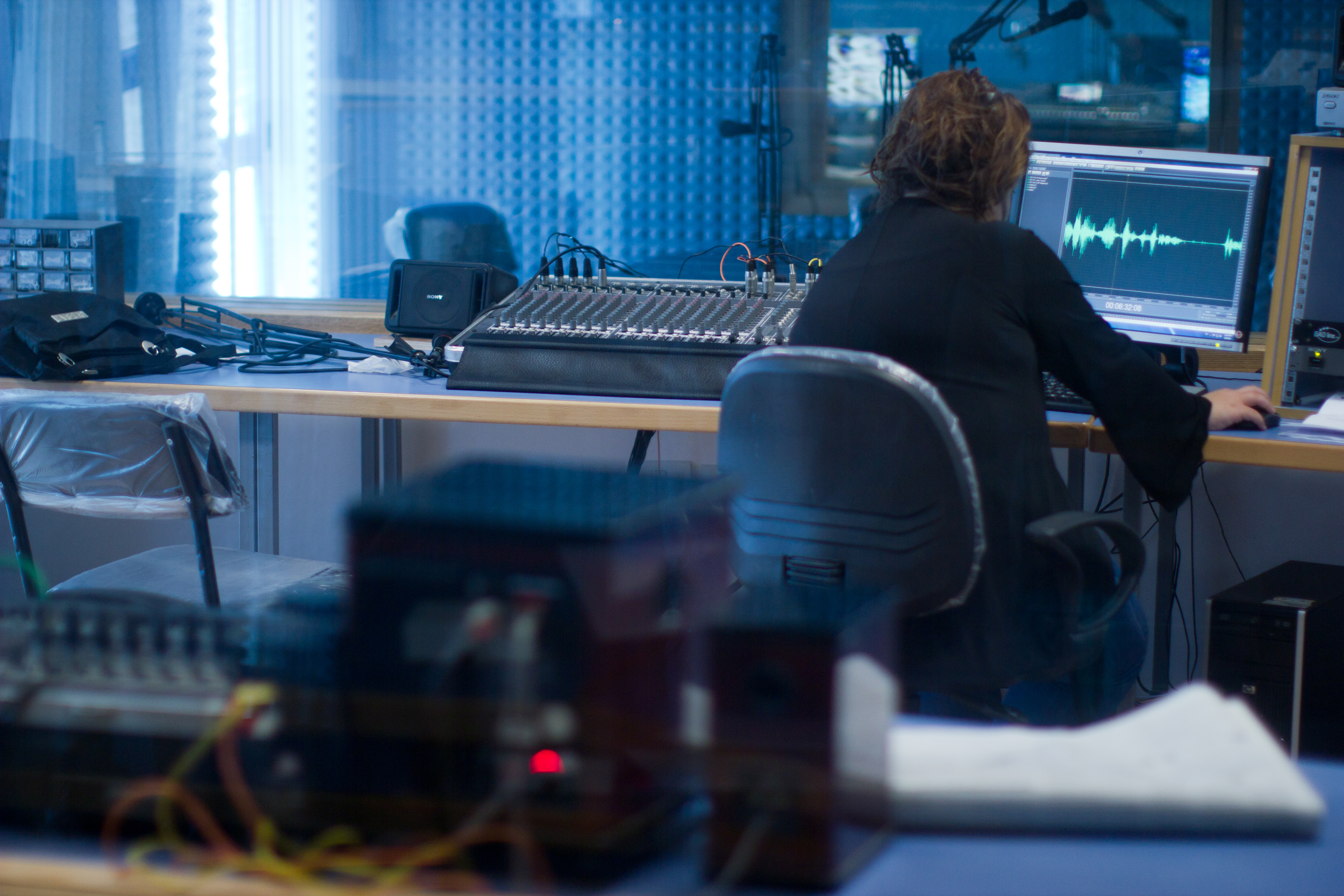
Audio editing software encompasses a diverse range of applications designed for manipulating digital audio. These tools, ranging from simple wave editors to comprehensive Digital Audio Workstations (DAWs), are fundamental to modern sound production. They enable users to record, mix, master, and process audio for music, film, broadcasting, and podcasting. The evolution of this software has democratized audio creation, moving from expensive hardware studios to accessible desktop and even mobile applications. Key functionalities include cutting, copying, pasting, applying effects like reverb and EQ, and managing multiple audio tracks simultaneously. The market is segmented by complexity and price, catering to hobbyists, independent creators, and large professional studios alike, with ongoing innovation driven by AI and cloud-based solutions.
🎵 Origins & History
The genesis of audio editing software is intertwined with the advent of digital audio technology itself. Early pioneers in the 1970s and 1980s laid the groundwork for manipulating sound digitally. The development of affordable personal computers in the 1980s and 1990s, coupled with advancements in digital signal processing, paved the way for software-based solutions. Companies like Digidesign (later acquired by Avid Technology) and Steinberg emerged as early leaders, transforming professional audio production from analog tape machines to digital workflows. The proliferation of the internet and open-source initiatives further democratized access, leading to the creation of free and low-cost alternatives.
⚙️ How It Works
At its core, audio editing software operates by representing sound as digital data, typically in the form of waveforms. Users interact with this data through a graphical interface, allowing for precise manipulation. Basic functions include cutting, copying, pasting, and deleting segments of audio. More advanced features involve applying effects processors, such as EQ for tonal shaping, compression for dynamic range control, and reverb for spatial simulation. Digital Audio Workstations (DAWs) are particularly sophisticated, enabling multi-track recording, mixing, and sequencing of virtual instruments and audio clips. These applications often integrate plugins (like VST or AU formats) to extend their functionality with third-party effects and instruments, managed through a unified user interface.
📊 Key Facts & Numbers
The global market for audio editing software is substantial, with estimates placing its value in the billions of dollars. Free options, such as Audacity, boast download numbers in the hundreds of millions, indicating a vast user base beyond professional studios. Mobile audio editing apps, while often simpler, have also seen significant adoption, with millions of downloads for platforms like GarageBand on iOS devices.
👥 Key People & Organizations
Key figures in the development of audio editing software include Peter Lynch, a co-founder of Digidesign, whose vision for Pro Tools revolutionized post-production. Steve Davis, a key engineer at Steinberg, was instrumental in the development of Cubase. Dominic Maddalena and Bob Moog (though more known for synthesizers) also contributed to the broader ecosystem of digital music creation tools. Organizations like the Audio Engineering Society (AES) play a crucial role in setting standards and fostering innovation. Major software developers in this space include Avid Technology, Steinberg, Ableton AG, and Image-Line, each with their flagship DAWs.
🌍 Cultural Impact & Influence
Audio editing software has profoundly reshaped creative industries and cultural expression. It has democratized music production, allowing independent artists to create professional-sounding tracks without the need for expensive studio time, fostering genres like lo-fi hip-hop and electronic music. In film and television, it is indispensable for sound design, dialogue editing, and Foley, enabling complex soundscapes that enhance storytelling. The rise of podcasting, a medium heavily reliant on accessible audio editing, has created new avenues for communication and content creation. Platforms like YouTube and Spotify owe much of their content diversity to the ease with which creators can produce and distribute high-quality audio.
⚡ Current State & Latest Developments
The current landscape of audio editing software is characterized by increasing integration of artificial intelligence and machine learning. AI-powered tools are emerging for tasks like automatic vocal tuning, noise reduction, and even music generation. Cloud-based collaboration features are becoming more prevalent, allowing multiple users to work on projects simultaneously from different locations, exemplified by platforms like Soundtrap. There's also a growing trend towards more specialized software, catering to specific niches like game audio development or immersive audio formats like Dolby Atmos. Mobile editing capabilities continue to improve, blurring the lines between professional and amateur production tools.
🤔 Controversies & Debates
One persistent debate revolves around the perceived 'ease of use' versus 'depth of control' in software design. Critics argue that some modern DAWs, while powerful, present an overwhelming learning curve for beginners, leading to feature bloat. Conversely, simpler editors are sometimes criticized for lacking the granular control required by seasoned professionals. Another controversy touches upon the impact of AI on creative jobs; while AI tools can automate tedious tasks, concerns exist about their potential to displace human sound engineers and producers. The ongoing battle between proprietary software ecosystems and the desire for open standards also fuels debate within the community.
🔮 Future Outlook & Predictions
The future of audio editing software points towards even greater AI integration, potentially leading to fully automated mixing and mastering processes. Virtual reality and augmented reality environments may offer new, immersive ways to interact with audio projects. We can expect further advancements in real-time collaborative editing, making remote production seamless. The development of more efficient audio codecs and streaming technologies will also influence how audio is edited and consumed. Furthermore, the line between hardware and software may continue to blur with increasingly powerful, integrated audio interfaces and controllers designed to work in tandem with advanced software.
💡 Practical Applications
Audio editing software finds application across a vast spectrum of industries. In music production, it's used for recording instruments, mixing vocals, mastering tracks for release, and creating electronic music. For film and television, it's essential for dialogue editing, sound effects design, Foley recording, and final mixing. Podcasters use it to edit interviews, add intro/outro music, and ensure consistent audio levels. Radio broadcasters employ it for producing commercials, news segments, and on-air programming. Game developers utilize it for creating immersive soundscapes, character voices, and in-game audio cues. Even in fields like speech therapy and language learning, specialized audio editors aid in analysis and practice.
Key Facts
- Category
- technology
- Type
- technology